US Fire

Office Interior

Interior Office Designing: Creating Inspiring Workspaces for Productivity and Comfort

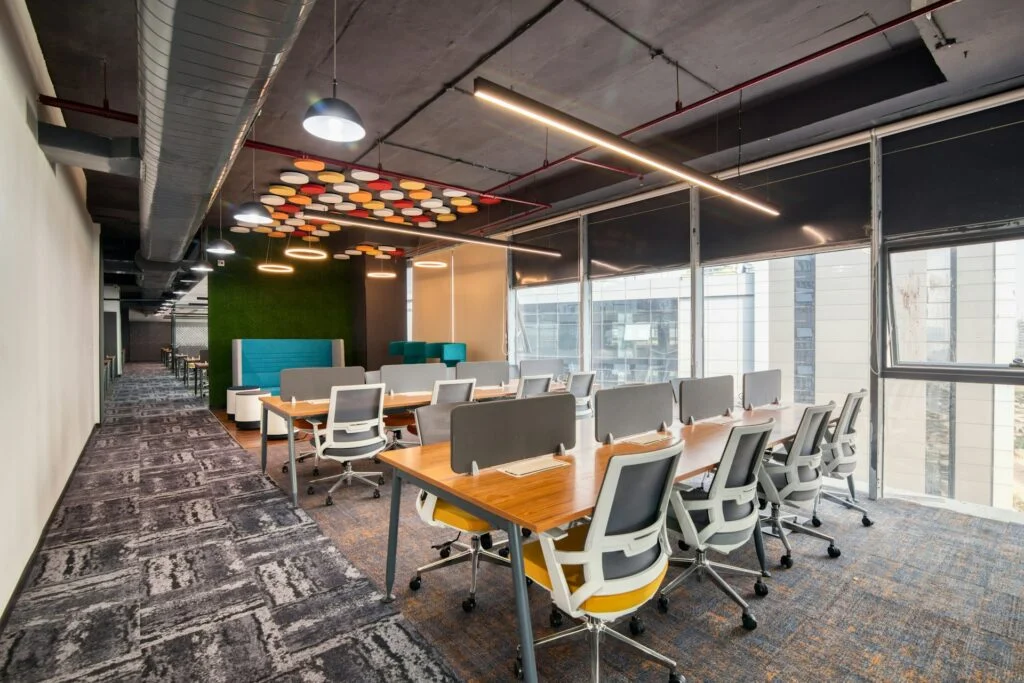
Interior office design plays a pivotal role in shaping the work environment, influencing employee productivity, creativity, and well-being. A well-designed office space not only reflects the company’s brand and culture but also fosters collaboration, innovation, and employee engagement. In this article, we explore the principles, trends, and considerations in interior office designing to create inspiring workspaces that promote productivity and comfort.

Understanding Interior Office Designing

Interior office designing encompasses the planning, layout, and furnishing of office spaces to optimize functionality, aesthetics, and user experience. It involves consideration of factors such as space utilization, lighting, color schemes, furniture selection, and ergonomic principles to create a conducive work environment.

Key Principles of Interior Office Designing

Effective interior office design is guided by several key principles:

Functionality
The layout and furniture should be designed with practicality in mind, supporting the specific tasks and activities that take place in the office.

Comfort
Ergonomic furniture, comfortable seating, proper lighting, and climate control are crucial for enhancing employee comfort and overall well-being.

Flexibility
Incorporating adaptable design elements, such as modular furniture and versatile layouts, ensures the space can evolve with changing needs and accommodate future growth.

Brand Identity
The design should reflect the company’s culture, values, and brand identity through thoughtful choices of colors, materials, graphics, and signage.

Trends in Interior Office Designing

Several trends are influencing modern interior office design:

Open Plan Layouts
Open plan designs foster collaboration, communication, and transparency by removing physical barriers and creating seamless, interconnected spaces.

Biophilic Design
Incorporating natural elements like plants, daylight, and organic materials, biophilic design improves employee well-being, boosts productivity, and sparks creativity.

Flexible Workspaces
These workspaces cater to diverse work styles and needs, offering a variety of areas such as collaborative zones, quiet spaces, hot desks, and informal meeting areas.

Technology Integration
The incorporation of advanced technology, including smart lighting, wireless charging, and video conferencing facilities, enhances connectivity, efficiency, and the overall user experience.


Considerations in Interior Office Designing

When designing an office space, several key factors should be considered:

Space Planning
Effective space planning focuses on optimizing the layout to enhance functionality, ease of movement, and accessibility, while minimizing unused or inefficient areas.

Lighting Design
A well-designed lighting plan incorporates natural light wherever possible, alongside a combination of ambient, task, and accent lighting to create a balanced, visually appealing environment.

Color Psychology
The choice of colors plays a crucial role in influencing mood, productivity, and creativity. Calming tones help improve focus and concentration, while vibrant shades can boost energy and spark inspiration.

Ergonomics
Ergonomically designed furniture and equipment are vital for promoting employee comfort, health, and productivity, helping to reduce the risk of musculoskeletal issues and fatigue.

Conclusion

Interior office designing plays a crucial role in shaping the work environment, influencing employee productivity, satisfaction, and well-being. By incorporating principles of functionality, comfort, flexibility, and brand identity, designers can create inspiring workspaces that foster collaboration, innovation, and engagement. By staying abreast of emerging trends and considering factors such as space planning, lighting, color psychology, and ergonomics, companies can design offices that enhance employee performance and contribute to overall organizational success.