

AHU Centralized AC
Centralized Air Conditioning Systems: Enhancing Comfort and Efficiency
Centralized air conditioning systems have revolutionized indoor comfort in buildings, offering efficient cooling solutions for residential, commercial, and industrial spaces. These systems utilize centralized equipment to cool and distribute air throughout the building, providing uniform temperature control and improved energy efficiency. In this article, we explore the fundamentals of centralized air conditioning systems, their components, operation, benefits, and considerations for installation and maintenance.
Understanding Centralized Air Conditioning Systems
Centralized air conditioning systems, also known as central air conditioning (CAC) systems, consist of a network of ducts, vents, and cooling equipment that work together to provide cooling to an entire building. Unlike individual room air conditioners, centralized systems offer centralized control and distribution of cooled air, ensuring consistent comfort levels throughout the building.
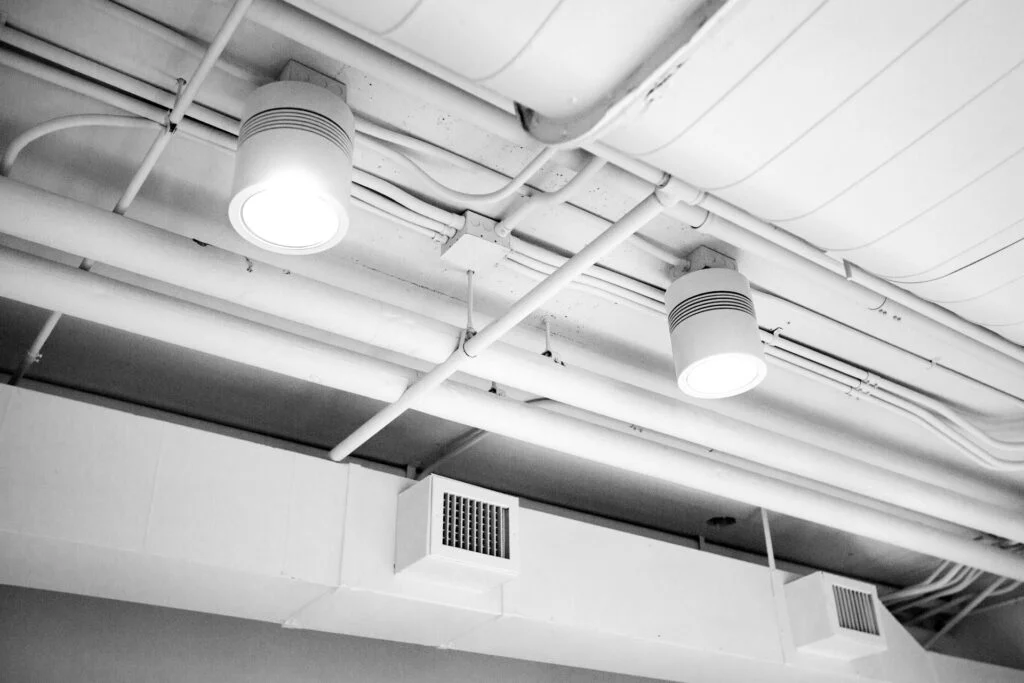
Components of Centralized Air Conditioning Systems
Centralized air conditioning systems consist of several essential components, each playing a crucial role in the cooling process.
Air Handling Unit (AHU)
The air handling unit is located indoors and contains key components such as the evaporator coil, blower fan, and air filter. It is responsible for circulating cooled air throughout the building via a network of ducts.
Central Cooling Unit
Typically situated outdoors, the central cooling unit houses the compressor, condenser, and other critical components that cool the refrigerant, enabling the system to lower the temperature of the air.
Ductwork
Ductwork consists of a series of channels that transport cooled air from the central unit to different rooms and areas throughout the building, ensuring even distribution of the chilled air.
Types of Centralized Air Conditioning Systems
Centralized air conditioning systems are available in different types to accommodate various building sizes, layouts, and cooling needs.
Split Systems
Split systems feature separate indoor and outdoor units connected by refrigerant lines. These systems are ideal for smaller buildings or individual rooms, offering flexibility in installation and design.
Packaged Systems
Packaged systems house all components, including the compressor, condenser, and evaporator, in a single outdoor unit. They are well-suited for larger buildings with limited indoor space, as they simplify installation and save room inside the building.
Operation and Benefits
Centralized air conditioning systems offer several advantages, including improved comfort, energy efficiency, and convenience.
Uniform Cooling
These systems deliver consistent, uniform cooling across the entire building, eliminating hot spots and ensuring a comfortable environment for all occupants.
Energy Efficiency
Centralized systems are typically more energy-efficient than individual room air conditioners. By centralizing cooling, they help lower energy consumption, reduce utility costs, and minimize environmental impact.
Installation and Maintenance Considerations
Proper installation and maintenance are crucial for optimizing the performance and lifespan of centralized air conditioning systems.
Professional Installation
To ensure the system is properly sized, placed, and configured, centralized air conditioning systems should be installed by certified HVAC professionals.
Regular Maintenance
Routine maintenance, such as replacing filters, cleaning coils, and conducting system inspections, is vital for keeping the system running smoothly, improving efficiency, and preventing unexpected breakdowns.
Conclusion
Centralized air conditioning systems offer efficient and effective cooling solutions for buildings of all sizes, providing comfort, energy efficiency, and convenience. Understanding the components, types, operation, and maintenance requirements of these systems is crucial for building owners and occupants alike. By investing in centralized air conditioning systems and prioritizing their installation and upkeep, building stakeholders can enjoy enhanced indoor comfort and energy savings for years to come.