

Fire Hydrant System Installation Service
Fire Hydrant System Installation : Enhancing Fire Safety
Fire safety is a paramount concern in building design and construction. One critical aspect of ensuring adequate fire protection is the installation of fire hydrant systems within buildings. These systems serve as vital tools for firefighters and building occupants alike, providing access to water for firefighting purposes in the event of an emergency. In this article, we delve into the essentials of fire hydrant systems in buildings, including their components, operation, maintenance, and importance in safeguarding lives and property.
Importance of Fire Hydrant Systems
Fire hydrant systems play a pivotal role in enhancing the fire safety measures within buildings. By providing a readily available water source, these systems empower occupants and firefighters to combat fires effectively, minimizing the risk of injury, loss of life, and property damage.
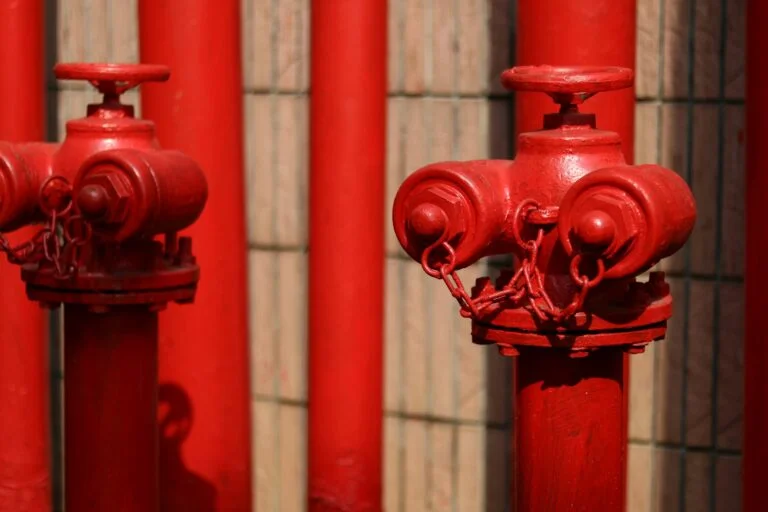
Components of Fire Hydrant Systems
Understanding the Components of a Fire Hydrant System: A Key to Proper Installation, Maintenance, and Operation
Main Water Supply Connection
The main water supply connection is the primary source of water for the fire hydrant system. It is typically linked to the building’s municipal water supply or an on-site water storage tank. Ensuring a reliable and adequate water supply is critical for the system’s effectiveness during an emergency.
Fire Hydrant Valves
Fire hydrant valves regulate the flow of water within the system. Strategically placed throughout the building, these valves provide firefighters with access to water from various points, ensuring they can quickly and efficiently combat the fire.
Hose Reels and Nozzles
Hose reels and nozzles are vital components of the fire hydrant system, allowing firefighters to direct water precisely to the source of the fire. These components are often installed in easily accessible areas, such as stairwells, corridors, or other designated emergency exits, to facilitate rapid response in a crisis.
Types of Fire Hydrant Systems
Classification of Fire Hydrant Systems: Wet Riser vs. Dry Riser Systems
Wet Riser Systems
In wet riser systems, water is constantly maintained within the pipes, ensuring it is immediately available in the event of a fire emergency. These systems are ideal for buildings with adequate water pressure, typically found in high-rise structures, where rapid access to water is crucial for fire suppression.
Dry Riser Systems
Dry riser systems, in contrast, do not have water in the pipes under normal conditions. Instead, water is supplied from an external source, such as a fire engine, when needed. These systems are commonly used in low-rise buildings or areas with insufficient water pressure, where the building’s water supply cannot be relied upon for fire-fighting needs.
Operation of Fire Hydrant Systems
Activation and Usage
In the event of a fire, building occupants can activate the fire hydrant system by triggering the fire alarm or operating the manual activation switch. Once activated, firefighters can connect hoses to the hydrant valves and use the water to suppress the fire. These systems are designed for quick and easy activation, ensuring a rapid response during emergencies.
Maintenance and Testing
Inspections and Testing
Building owners or managers are responsible for conducting regular inspections and testing of fire hydrant systems to ensure their proper functioning. This includes checking for leaks, testing water pressure, and verifying the functionality of valves and hoses. Routine maintenance is essential to ensure the system remains ready for use during an emergency.
Annual Certification
In many jurisdictions, fire hydrant systems must undergo annual certification by licensed professionals. This certification ensures the system meets safety regulations and complies with local fire safety standards, helping to guarantee that the system will perform effectively when needed.
Conclusion
Fire hydrant systems are indispensable components of building fire safety infrastructure, providing a reliable water source for firefighting efforts. Understanding the components, types, operation, maintenance, and importance of these systems is crucial for ensuring the safety and well-being of building occupants. By prioritizing the installation and upkeep of fire hydrant systems, building owners can significantly enhance fire safety measures and mitigate the risk of fire-related incidents.